Friday, February 15, 2013

What February has in Store for Bucks County


Feel that warmth? Especially in Bucks where the weather can get rough throughout the winter seasons, it's always a relief to feel the thermometer rise after Groundhog's Day, making it feel like spring really is coming sooner rather than later. And after all the recent snowfall, it seems as though it couldn't come cool enough. Don't get too excited, though – while February shouldn't be brutal, it does have some typical Northeast weather in store for us.
If you're in the Northeast you're probably well aware of the storm, Nemo, that hit the area. Some more northern areas, like the northern tip and coast of Jersey, got upwards of ten inches of snow. Luckily, though, Bucks County was a near miss, receiving only a few inches of snow instead of what could have been much worse.

Is this indicative of what lies ahead? Luckily, the temperatures are expected to rise at least some. Precipitation will continue – perhaps to the dismay of Bucks County heating companies - but for the rest of the week, Bucks will see rain instead of snow. 

The rest of the month should be fairly February-standard. There is likely to be heavy rainfall and a few storms in the Northwest, which will probably lead to some snow. It's also anticipated that, despite the recent warmth and mid-40 degree temperatures, another cold front will make its way through the Northeast. You may have been giving your heater a break recently, but don't get too comfortable – colder air is sure to return.

Tuesday, February 12, 2013

Warm Winter Season Leads to Gas Surplus


If you're in the Philadelphia area you're probably well-aware that the 2012-2013 winter season has been warmer than expected. The region between Minneapolis and Boston, which is the area in the country that uses the most heating resources, has seen temperatures that hovered well above average since the beginning of December. As a result, there's been an overabundance of natural gas, creating a trend of excess that is likely to last well through March.
 
Consequently, Philadelphia heating gas prices have dropped some thirteen percent since mid-November when it last peaked. While it's obviously something most homeowners are benefitting from – both the decreased prices of natural gas, and the lessened need to pump the heat – it could have a detrimental economic effect on the regions heating and cooling industry. Though we're a little more than halfway through the bulk of the heating season, heating companies are crossing their fingers that we get a few more cold stints.

However, it doesn't look like it's in the cards. The third week in January – which is typically the coldest in the year – was just a bit colder than last winter, which was the fourth-warmest on record. In spite of the few spikes of low temperatures, the warm periods have been too warm and too lengthy for the chill to prevail. It's anticipated that there might be a few more cold weeks upcoming like the one Philly experienced during the storm Nemo, but unfortunately, they may not be cold enough to overcome the impact the unseasonable warmth has already had.

Monday, January 14, 2013

Philly and the Flu


All around the Northeast region there is talk of the flu virus; there's been a surge of admittances into hospitals and doctors' offices of patients infected with the flu. Doctors, like John Russell of Abington Memorial Hospital, concede that it's an epidemic. "There are a ton of people sick right now," he states; however, he doesn't seem to think it's as bad as it could be. At least not yet.

According to physicians, it doesn't seem to be affecting people as harshly as anticipated. However, it did start much earlier on in the season than was originally predicted. Along with other viruses that seem to be circulating in the Philadelphia area – like the rhinovirus and a norovirus that's been fairly prevalent, doctors don't think the worst is over yet. Since it started so early and didn't quite reach the intensity it's capable of, the epidemic might peak this month or next. After all, the number of flu patients has remained consistent.

Avoiding getting sick when you're surrounded by others who are is fairly difficult. In schools and workplaces in an area like Philadelphia, heating and ventilation is a big culprit – rather than fresh air circulating through crowded buildings, we keep the windows shut to keep warm in the winter. Therefore, there's bound to be a higher concentration of your neighbor's germs. As a preventative measure, let fresh air circulate through your home, office, or classroom whenever possible. And, of course, during flu season more than ever, be sure to wipe down commonly touched items, like keyboards, with Lysol wipes. Carry around a personal bottle of hand sanitizer as well – better safe than sorry!

Wednesday, January 9, 2013

Northeastern Coldfront and Cold Weather Tips


Though the holidays have come and gone, and some of us might not want to believe it, we're now left with winter in full-swing and springtime warmth being the light at the end of the few-months-long tunnel. But just because we – especially in the Northeast – are in a rush to get to spring doesn't mean we should rush to be doing anything else. There are a lot of wintry warnings that come with cold weather, heaters, and precipitation. Unfortunately, there have already been a few news reportings about snow and ice-related automobile crashes, such as the New York man who died when his pickup truck skidded out on ice just a few days after Christmas. It's for that reason that we shouldn't forget to practice extra-careful behaviors in these coming weeks.


·         Make sure your heating systems are in good health. There are plenty of heating companies near Newtown who would be more than willing to come make sure your heating unit and vents are clean to avoid fire hazards and ensure the systems are running as efficiently as possible.

·         Check the weather every day before leaving the house, and leave earlier if necessary – it's important to exercise caution when driving, leave yourself enough time to clear your windows to avoid blind spots, and prepare with proper attire to avoid slipping on ice.

·         If using alternate sources of heating – fire places, electric space heaters, wood stoves – never leave them unattended and be sure to follow the proper courses of action for safety. Always ensure the chimney is clean, never leave a space heater plugged in, only use the recommended types of wood for burning, et cetera.

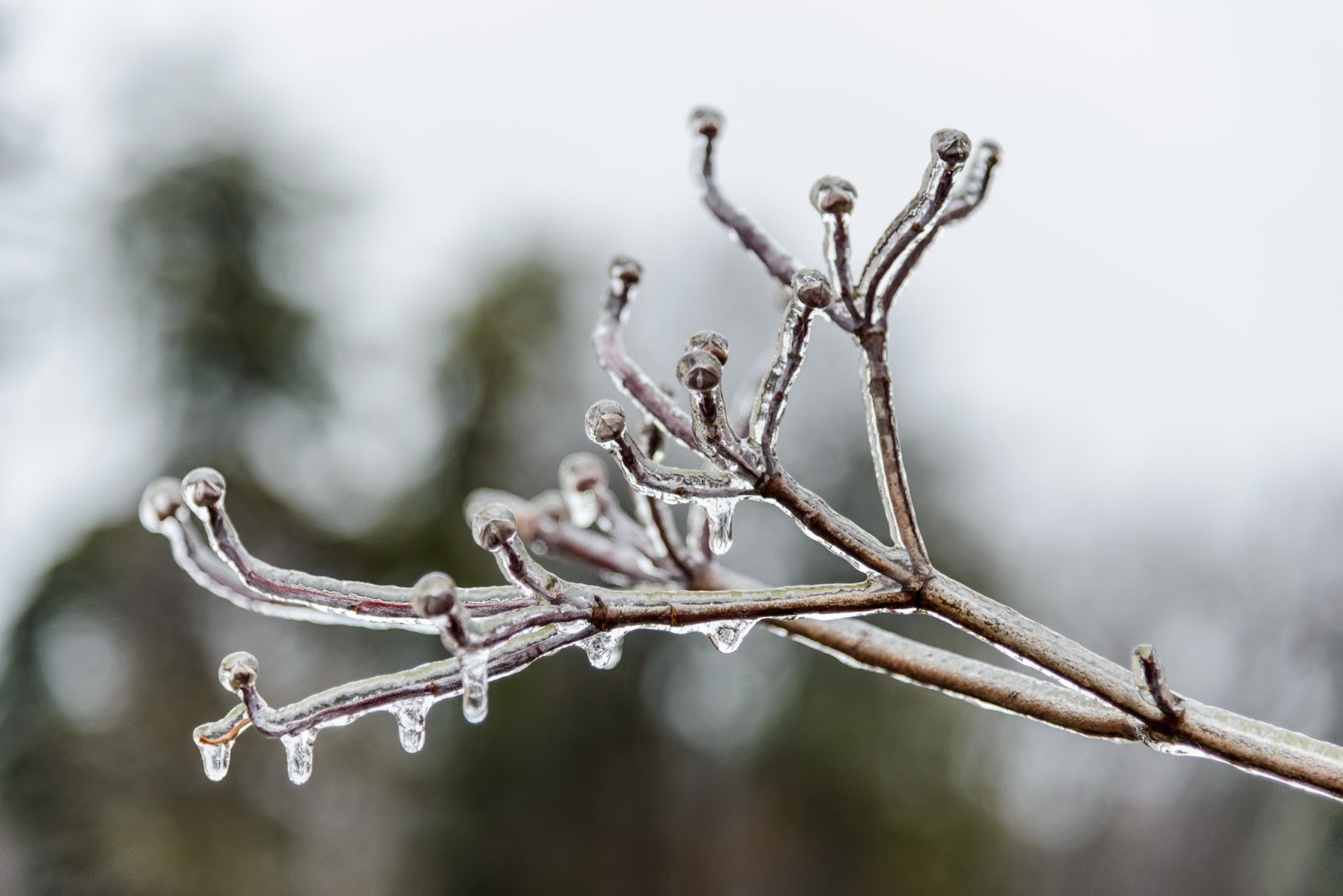
·         Beware of icicles! Many forget how dangerous they can be, but after a rain or snowfall, the falling of heavy, hanging icicles can actually be deadly.

Wednesday, December 12, 2012

Cold Winter Ahead – Don't Pay Too Much!


It's the thing that everyone dreads hearing, but it's the unfortunate truth: heating costs for 2012 are going to be higher than average. That's not necessarily because of the increase of oil prices, but rather, it can be attributed to the fact that we're going to have a significantly colder winter than usual. The Energy Information Administration predicts that anyone using oil to heat their homes – especially for those who live in the Northeast – heating bills could reach a record cost of $2,500 this winter. That's a whopping 20% increase from the prior year, despite the extremely nominal increase in fuel costs, which is a mere 2%. Natural gas users will see an increase as well, by about 15%, averaging to about $1,000 for the season in the Northeast.

For the Pennsylvania area, there is anticipated to be 18% more days requiring the usage of heaters this year than last year. Since you'll be getting so much use out of your unit this year – both because the temperature will drop, and because there will be more frequent cold days – it's important to ensure that you're not paying too much. Don't forget to take the necessary precautions to keep the cost of heating your home as low as possible.


  • ·         Use a programmable thermostat to make sure that your heater isn't working overtime when no one's in the house.
  • ·         Make sure your unit has clean filters at all times to improve efficiency.
  • ·         Make sure that your local Southampton heating company has done a yearly checkup on the unit to ensure that the inner workings are clean and less prone to issues.
  • ·         If you live in the Southampton area, be sure to shop around for an HVAC company – don't overpay!
  • ·         Ensure that your home is properly insulated to avoid cold air seeping in.